Designing a small living space requires careful planning and creativity. Renowned interior designer Emily Henderson once said, "Every inch counts, so make each one work for you." This perspective emphasizes the importance of thoughtful design in maximizing comfort in limited spaces.
When considering how to design a comfortable small living space, focus on functionality and aesthetics. Use colors that create an illusion of openness, such as light hues. Incorporate multifunctional furniture to save space. But remember, not every solution works for all situations. Personal style should still shine through.
Creating that perfect sanctuary can be challenging. It's easy to feel overwhelmed by choices. Sometimes, the simplest ideas lead to the most inviting environments. Aim for comfort and practicality while being open to new ideas. Reflection on your lifestyle can guide your design choices. Ultimately, the goal is to create a space that feels uniquely yours.
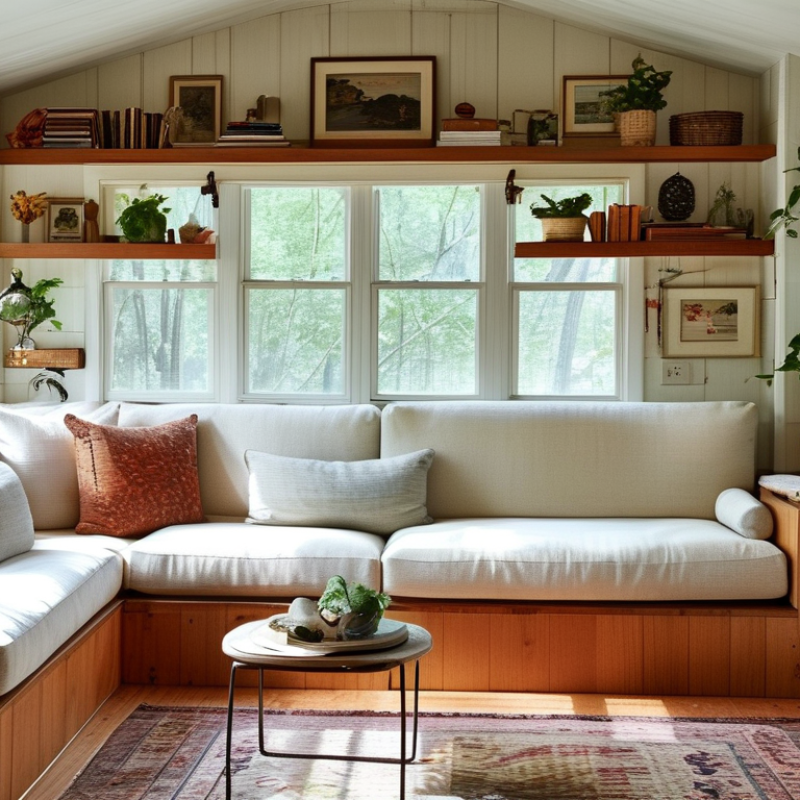
Understanding the Basics of Small Space Design and Comfort
Creating a comfortable small living space begins with understanding how to balance aesthetics and functionality. One key aspect is choosing the right furniture. Opt for multi-functional pieces that serve more than one purpose. For instance, a sofa bed can save space and provide comfort. Avoid bulky furniture that can crowd the area. A light color scheme can open up the space, making it feel larger and more inviting.
Another essential element is smart storage solutions. Utilize vertical space with shelves, and consider under-bed storage to minimize clutter. This helps maintain an organized, serene environment, crucial for comfort. Remember, plants can enhance your space, but overdoing it can create visual chaos. Choose a few meaningful pieces that bring joy.
Lighting also plays a vital role. Natural light is ideal, so use sheer curtains to allow sunlight in. Incorporating different light sources, like floor lamps or fairy lights, helps create a cozy atmosphere. Reflective surfaces can make the room feel airier. However, be cautious of creating overly bright spaces, as they can feel harsh. Finding a balance in light can enhance comfort significantly.
Comfort Factors in Small Living Spaces
Choosing the Right Furniture for Functionality and Comfort
Designing a small living space requires careful consideration of furniture. Choosing functional pieces is essential for comfort. Opt for multi-purpose furniture that serves different needs. For example, a sofa bed can provide seating during the day and transform into a bed at night. This adaptability is crucial in a limited area.
Comfort extends beyond functionality. Consider the materials and textures of your furniture. Soft fabrics can invite relaxation, while sturdy pieces offer longevity. A plush armchair can become your reading nook, but ensure it doesn’t overcrowd the space. The challenge is striking a balance between comfort and usability.
It’s important to reflect on personal style too. Each piece should resonate with your aesthetic. Yet, avoid crowding the area with too many items. This can lead to a cluttered feel, which can heighten discomfort. Remember to leave space for movement. A well-thought-out layout encourages flow and enhances the comfort of your living space, making it a true sanctuary.
Utilizing Color and Lighting to Enhance Space Perception
Color and lighting are essential elements in designing a small living space. Using light colors can open up the room. Soft hues like pale blue or pastel yellow make walls feel further away. This trick can trick the eye into seeing more space. Accent walls in bold colors can add character. Yet, too much vibrancy can overwhelm a small area, making it feel cramped. It’s a fine balance to strike.
Lighting plays a crucial role too. Natural light creates a warm, inviting atmosphere. If natural light is limited, layered lighting can enhance depth. Use floor lamps, table lamps, and wall sconces to create zones. Dimmer switches can help adjust the mood as needed. However, avoid harsh overhead lights, which can make the space feel cold and unwelcoming.
Remember to reflect on how each feature contributes to your comfort. A cozy space should feel personal. Balance aesthetics with functionality. What may look good might not feel right after a while. It's essential to create an environment that feels both stylish and cozy. Every decision should enhance your experience of the space.
How to Design a Comfortable Small Living Space for Maximum Comfort
| Aspect |
Recommendation |
Purpose |
| Color Palette |
Choose light and neutral colors |
Creates an illusion of more space |
| Accent Colors |
Use bold accents on decor |
Adds character and interest |
| Lighting |
Incorporate layered lighting |
Enhances depth and ambiance |
| Natural Light |
Maximize window use and light |
Brightens space and improves mood |
| Furniture |
Opt for multifunctional and minimal pieces |
Saves space and improves functionality |
| Mirrors |
Incorporate large mirrors |
Creates a sense of openness |
Incorporating Multi-Functional Elements for Maximum Efficiency
Creating a comfortable small living space hinges on incorporating multi-functional elements.
When designing, consider every piece of furniture as an opportunity.
For instance, a bench can serve as a seat and storage.
Such dual-purpose items maximize space and enhance efficiency.
Incorporating foldable furniture is another smart strategy. A wall-mounted desk saves space while providing an office area when needed.
When not in use, it can fold away, keeping your living area clutter-free.
However, not all foldable items are sturdy. You may need to experiment to find what works best for you.
Lighting plays a crucial role too. Use layered lighting to create a cozy atmosphere.
Combine ambient, task, and accent lighting for versatility.
Remember, a small room can feel cramped if too many heavy fixtures are used.
Test various combinations to see what feels most inviting. Aim for comfort, but be mindful of your layout.
Sometimes, less is more.
Creating Cozy Zones for Relaxation and Social Interaction
Creating cozy zones in a small living space is essential for enhancing relaxation and encouraging social interaction. Start by defining specific areas within your space. Use area rugs to visually separate different functions. A soft, warm rug under a coffee table can create a welcoming nook for conversations. Consider placing a small, comfortable couch or armchairs around a low table. This invites gatherings and makes it easy to enjoy snacks or games together.
Lighting plays a crucial role in creating a cozy atmosphere. Soft, warm lighting can transform a stark room. Use table lamps or string lights to create a welcoming glow. It’s okay to mix different light sources for layers. For a more intimate feel, you could use dimmers or candles. This flexible approach allows you to set the mood according to your needs.
Adding personal touches makes a space feel more inviting. Incorporate items that reflect your personality or shared memories. This could be artwork, books, or photos. While it’s tempting to aim for perfection, remember that imperfections can add charm. Arrange furniture in a way that feels comfortable and inviting, even if it's not symmetrical. Embrace the unique layout of your space, and allow it to evolve over time.
FAQS
: Multi-functional furniture is ideal. Consider pieces that serve more than one purpose, like a sofa bed.
Utilize vertical space with shelves and under-bed storage. This keeps the area organized and less cluttered.
Light colors can create an illusion of space. Soft hues make walls feel farther away and increase openness.
Good lighting creates a warm atmosphere. Natural light is best, but layered lighting can enhance depth and comfort.
Plants can improve aesthetics. However, too many can create chaos. Choose a few meaningful ones for balance.
Consider materials and textures. Soft fabrics invite relaxation, while sturdy pieces offer durability without overcrowding.
Avoid bulky furniture and overcrowding. Too many pieces can make the area feel cramped and uncomfortable.
A well-thought-out layout encourages flow. Ensure enough space for movement to enhance your overall comfort.
Use accent walls tastefully. Strike a balance to add character without making the space feel cramped.
Use a mix of floor lamps, table lamps, and sconces. Dimmer switches can help adjust the mood without harshness.
Conclusion
Designing a comfortable small living space requires a thoughtful approach to maximize both functionality and comfort. First, it’s essential to understand the basics of small space design, focusing on the layout and flow of the area. Selecting the right furniture plays a significant role; pieces that are both functional and comfortable can make a big difference. Additionally, using colors that enhance space perception and strategically placing lighting can create an illusion of a larger area.
To further optimize a small living space, incorporating multi-functional elements is key. Items that serve several purposes not only save space but also increase efficiency. Lastly, creating cozy zones for relaxation and social interaction helps to foster a welcoming environment, making the space feel more inviting. Overall, knowing how to design a comfortable small living space involves a blend of smart design choices, aesthetic considerations, and functional furnishings.

 Stayvora House